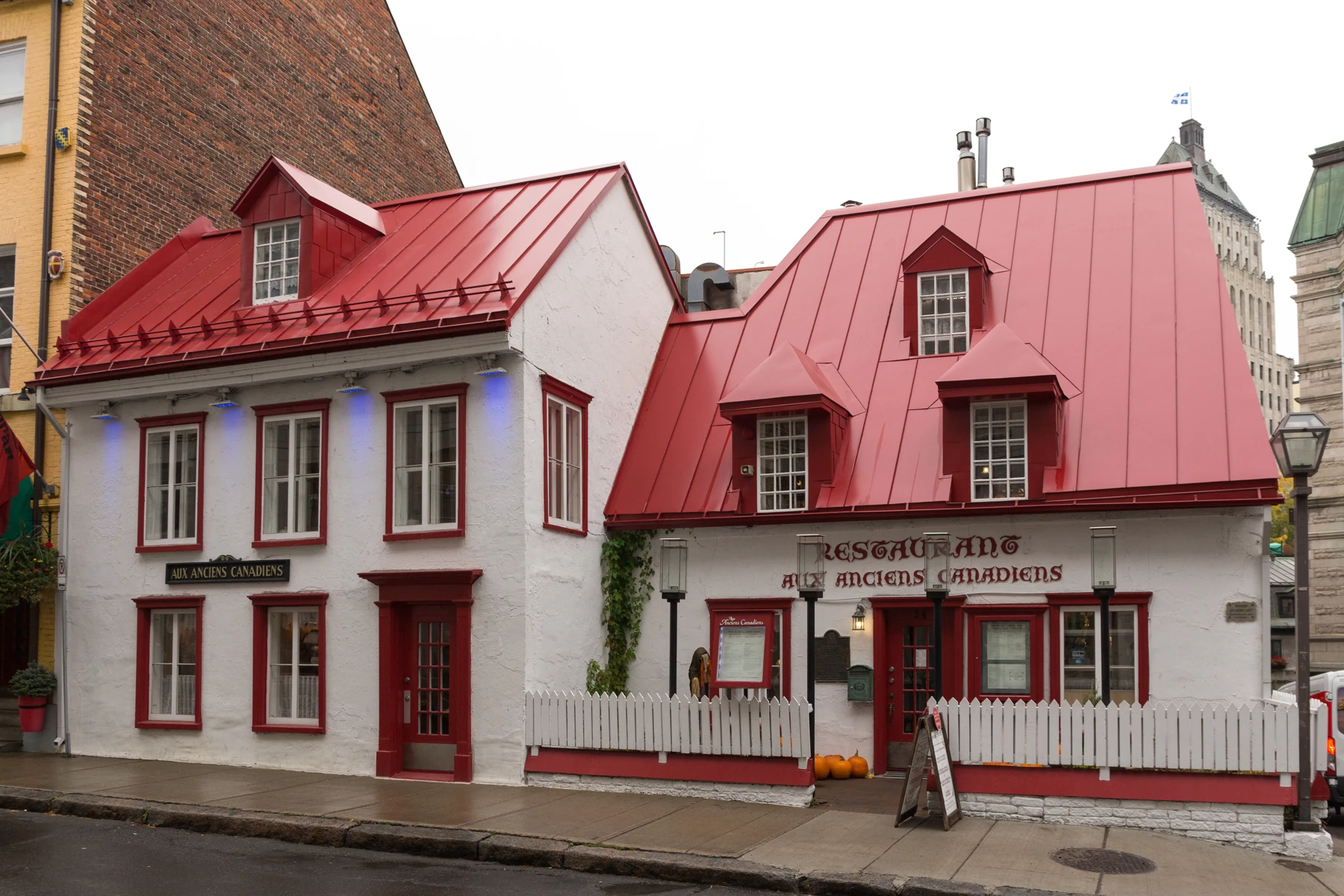
Lime renders in northern climates
Ongoing project · 2026–2029 · NSERC – Alliance · CAD $222,027. With principal investigator Luca Sorelli, Fabio Sedia, François Dufaux and Josée Duchesne: the history of renders, heritage conservation and experimentation in northern climates.
The Project
Implementation of a performance framework and experimental validation of lime render systems for built heritage in northern climates. This research brings together architecture, construction history, materials science and building craft to better understand renders and develop solutions compatible with historic masonry.
Challenges and objectives
Protecting walls, allowing moisture transfer and preserving architectural qualities: renders contribute to conservation, comfort and the appearance of buildings. The project studies their response to freeze–thaw cycles, water and salts, as well as the effects of unsuitable formulations. It connects material composition with substrates, building uses and Québec’s climatic conditions.
Fabio Sedia’s contribution
As co-investigator responsible for the heritage component, Fabio Sedia studies the history of renders, their place in building traditions and their application to existing buildings. His work combines archives, historical imagery, surveys and architectural analysis to connect material, building and context. With François Dufaux, he supervises the architectural research and helps bring together historical knowledge, intervention choices and experimentation.
Research team
Principal investigator Luca Sorelli leads the project at Université Laval. Fabio Sedia, François Dufaux and Josée Duchesne participate as co-investigators. Elizabeth Cloutier and Isabelle Paradis, conservators at the Centre de conservation du Québec, contribute to fieldwork and practical application. Karima Zoghlami, from the Faculté des sciences de Bizerte at Université de Carthage, contributes her expertise in historic materials and mortars.
Partners and fieldwork
The partnership brings together Université Laval’s Département de génie civil and École d’architecture, the Centre de conservation du Québec within the ministère de la Culture et des Communications, and the Faculté des sciences de Bizerte at Université de Carthage. Maçonnerie Murphy Inc. contributes its expertise in heritage masonry. Buildings in Old Québec provide the setting for pilot applications and monitoring of renders under real conditions.
Method and expected outcomes
Two complementary strands combine historical analysis and on-site validation, followed by experimental characterization and formulation optimization. Building observations are compared with laboratory tests of permeability, adhesion, porosity and durability. Two pilot projects bring the results into contact with building-site conditions. The research aims to develop formulations suited to northern climates, practical application recommendations and knowledge transfer to conservation professionals.
Funding and timeline
The project is underway for the 2026–2029 period. An Alliance grant from the Natural Sciences and Engineering Research Council of Canada (NSERC) was awarded in August 2026. Project funding: CAD $222,027.